Max Vibe vs Other Male Intimate Gels —
Ingredient Comparison
An objective, ingredient-based comparison of Max Vibe versus generic alternatives in the male intimate gel category. No brand names — pure formula analysis.
The male intimate wellness gel market has grown significantly in Europe, with numerous products available across online marketplaces and specialty wellness shops. Choosing between them can be difficult — marketing language often obscures rather than clarifies the actual differences between formulations. This comparison focuses on what matters most: ingredient quality, formula transparency, active ingredient mechanisms and EU regulatory compliance.
We compare Max Vibe against two archetypes of competing products: Type A (simple warming gels, typically with only 1–2 active ingredients) and Type B (complex blends often with proprietary formulas, high fragrance loads and inconsistent INCI labelling).
Formulation Comparison Table
| Criterion | Max Vibe | Type A (Simple Warming Gel) | Type B (Complex Proprietary Blend) |
|---|---|---|---|
| Number of active ingredients | 5 documented actives | 1–2 (typically capsaicin or menthol) | Unclear — proprietary blend |
| Thermogenic / warming ingredient | Zingiber Officinale Root Extract (ginger — TRPV1 mechanism) | Capsaicin or synthetic warming agents | Variable; sometimes capsaicin or cinnamon |
| Skin comfort support | Niacinamide (endothelial NAD+ support) + ginger (CGRP warmth) | Not typically present | Sometimes L-arginine (limited topical evidence) |
| Humectant / hydration ingredient | Sodium Hyaluronate (documented in cosmetic use of deep hydration) | Glycerin only (surface hydration) | Variable; sometimes aloe vera |
| Natural caffeine / toning ingredient | Paullinia Cupana Seed Extract (natural guarana caffeine + tannins) | Not typically present | Sometimes isolated caffeine |
| Antioxidant protection | Tocopherol (Vitamin E) — documented free radical scavenging | Rarely included | Sometimes vitamin E or green tea |
| INCI transparency | Full INCI list disclosed and verifiable | Usually disclosed | Often masked by proprietary blend designation |
| EU cosmetics regulation compliance | Fully compliant (EC) No 1223/2009 | Typically compliant | Variable — verify before purchasing |
| Fragrance / perfume | No added synthetic fragrance | Often fragrance-free or light | Often heavily fragranced |
| Preservative system | 5-component EU-compliant system, paraben-free | Usually single preservative | Variable; sometimes parabens |
| Texture | Lightweight gel, fast-absorbing, no residue | Variable — sometimes greasy | Variable — sometimes heavy cream texture |
| Evidence base for actives | All 5 actives with peer-reviewed topical research | Limited (capsaicin primarily for pain) | Varies by formula; often limited |
| Available countries | 14 EU countries via official sites | Varies | Varies |
Why Active Ingredient Quality Matters
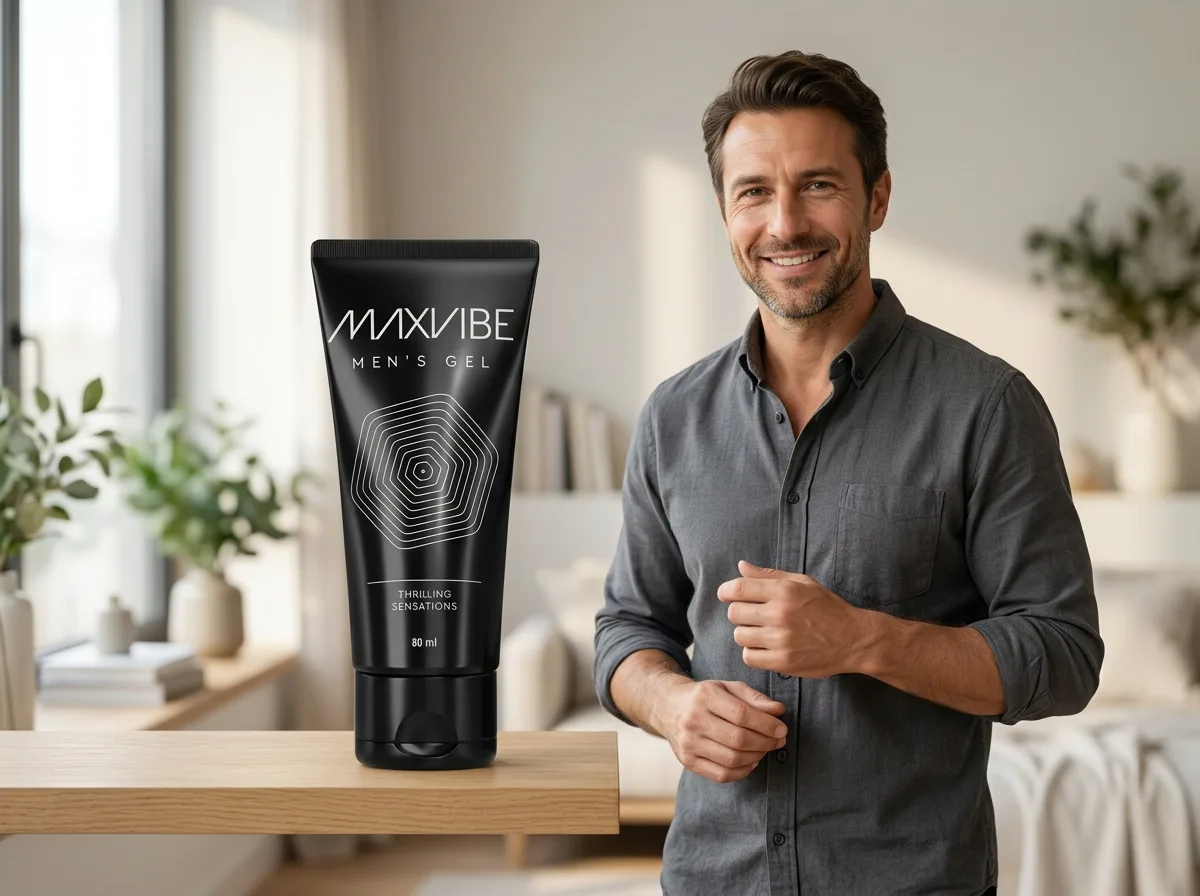
The most important distinction between Max Vibe and many alternatives is the quality and diversity of active ingredients. Here is why each of Max Vibe's five actives represents a meaningful addition to the formula:
Niacinamide vs Generic Alternatives
Many products in this category include only warming agents without any skin comfort-supporting ingredient. Niacinamide addresses the underlying vascular mechanism — endothelial health and NAD+ metabolism — rather than just creating a surface sensation. Its extensive clinical research record (multiple RCTs) makes it one of the most evidence-backed topical ingredients available.
Zingiber Officinale vs Capsaicin
Both ginger extract and capsaicin (from chilli peppers) activate TRPV1 receptors. However, ginger provides a gentler, more sustained warming effect compared to the intense, potentially irritating heat of capsaicin — making ginger more suitable for intimate skin application. Ginger's gingerol and shogaol profile also includes anti-inflammatory properties not present in isolated capsaicin.
Guarana Extract vs Isolated Caffeine
Where some products use isolated caffeine as a topical active, guarana seed extract provides caffeine alongside synergistic tannins (astringent toning), theobromine and theophylline (broader phosphodiesterase inhibition) and antioxidant phenolics. The full-spectrum extract may offer a more nuanced and sustained effect than isolated caffeine alone.
Sodium Hyaluronate vs Aloe or Basic Humectants
Glycerin and aloe vera are adequate surface humectants but cannot match the deep penetration and exceptional water-binding capacity of sodium hyaluronate (up to 1,000x its weight in water). Low-molecular-weight sodium hyaluronate penetrates into the viable epidermis, creating a sustained moisture reservoir that improves tissue elasticity and optimises the environment for other actives.
How to Evaluate Any Intimate Gel
When comparing any intimate wellness gel, ask these questions:
- Is the full INCI list disclosed? If a product uses a "proprietary blend" to hide its formula, you cannot verify what you are applying to sensitive skin.
- Do the active ingredients have topical research evidence? Marketing language about "proven ingredients" should be verifiable — can you find peer-reviewed research on the specific topical application?
- Is the product compliant with EU Cosmetics Regulation? Any product sold in the EU must comply with EC No 1223/2009 — but compliance varies. Check for a Responsible Person identified on the label.
- Are there known irritants in the formula? Some intimate gels contain high concentrations of capsaicin, menthol, benzocaine or synthetic fragrances that may be too harsh for sensitive intimate skin.
- Is the formula designed for intimate skin specifically? Some general warming gels are not formulated with intimate skin's specific pH requirements and sensitivity in mind.